
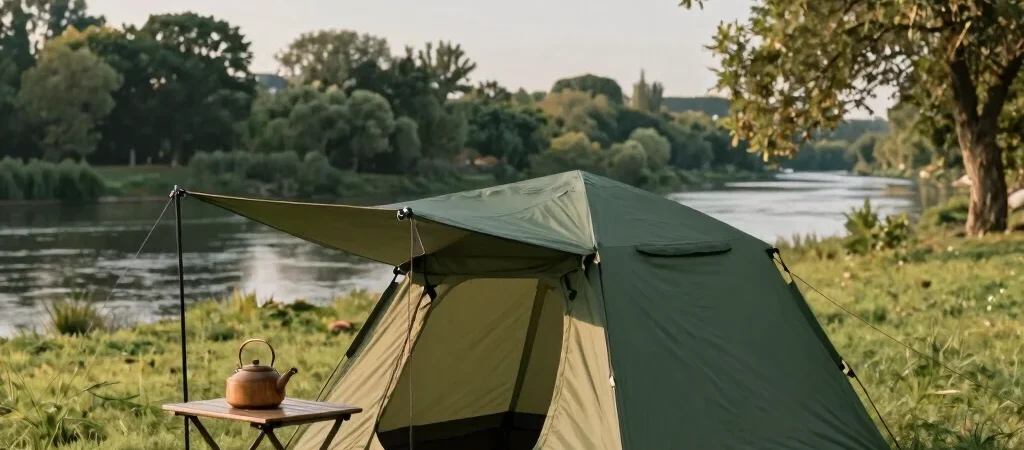
Camping in the Sarthe Valley should feel calm rather than complicated. When you pitch within earshot of moving water, the rhythm of your day shifts naturally to follow the sunrise and evening mist. Selecting the right setup and managing your camp routine makes all the difference between restful days and unnecessary dampness.
Evaluating Pitches and Ground Conditions
Riverside soil holds moisture long after rain has stopped, and valley depressions often collect cold night air. Look for slightly elevated ground with good grass coverage rather than bare dirt that turns sticky overnight. High tree cover provides welcome summer shade, but avoid setting your tent directly under brittle branches or heavy willow limbs.
Managing Morning Moisture
Dew falls heavily in the valley, coating canvas and rainflies by early dawn. A durable footprint underneath your shelter protects the floor, while hanging wet gear in the midday sun keeps down sleeping bags lofty. Giving your tent thirty minutes to air out after breakfast saves you from packing damp gear into your panniers or rucksack.
Respecting Surrounding Habitats
Natural campsites in the valley border sensitive wetland ecosystems where waterfowl feed and otters occasionally travel. Keep food secure from nocturnal foragers, minimize lighting after dusk, and use biodegradable washing soaps well away from the waterline. Thoughtful camping preserves these quiet river banks for everyone who follows.