
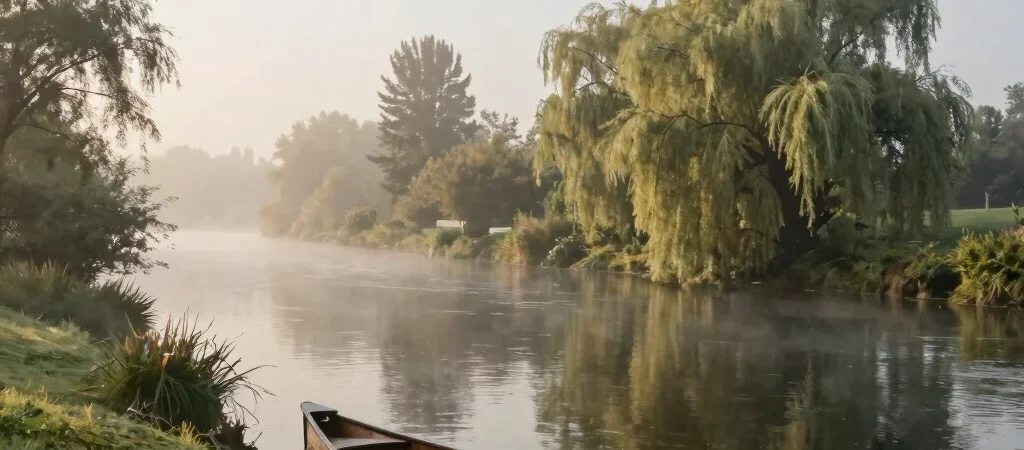
The Sarthe flows at an unhurried tempo through gentle limestone bluffs and willow-fringed banks. Exploring by water gives you an intimate view of old lock houses, stone bridges, and heron roosts that simply vanish when traveling by car. Whether you rent a canoe for three hours or trace the waterline on foot, the key is matching your pace to the river current.
Reading the Current and Lock Passages
The river is generally placid through the middle valley, making it accessible for open canoes and recreational kayaks. Still, locks demand patience and awareness. Portage points are usually marked near weirs, though grassy take-outs can become slick after rain. Checking water levels beforehand ensures you avoid submerged obstacles and spend your energy paddling rather than dragging equipment.
Combining Water and Footpaths
One of the most rewarding ways to experience the Sarthe is pairing a morning float with an afternoon return along the old towpaths. These former mule tracks are flat, firm, and sheltered beneath lines of poplars and alder trees. Walking back alongside the water lets you spot the kingfishers and dragonflies you missed while navigating the channel.
Simple Field Essentials for the Day
Pack a sturdy dry bag for your spare layer, a brimmed hat for sunny open stretches, and plenty of drinking water. Public fountains are sporadic between settlements, so carrying your daily ration from camp saves unnecessary detours. Keep your schedule loose enough to sit beneath a river oak whenever the light settles across the reeds.